What is Embedded Linux?
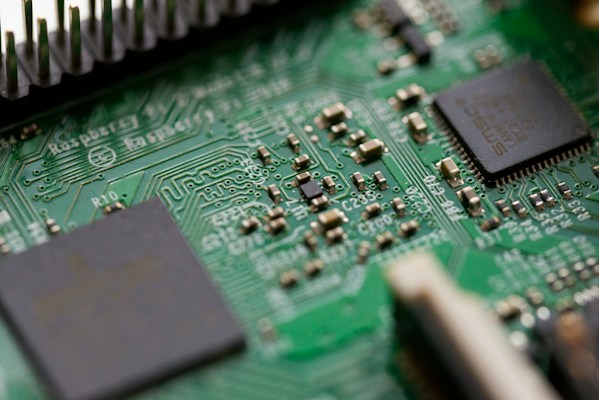
Embedded Linux refers to the use of the Linux operating system in embedded systems — specialized computing devices that perform dedicated functions. Unlike general-purpose computers, embedded systems are often resource-constrained (limited CPU, memory, and storage) and designed for specific tasks such as controlling appliances, networking equipment, automotive systems, or IoT devices.
Key Characteristics
- Lightweight: Only necessary components of Linux are included, reducing system size.
- Customizable: Developers can configure the kernel, device drivers, and user-space libraries to match hardware and application requirements.
- Open Source: Linux is free and community-driven, making it cost-effective compared to proprietary embedded operating systems.
- Hardware Support: Linux supports a wide range of hardware platforms (ARM, MIPS, RISC-V, x86, etc.).
- Networking & Security: Built-in networking protocols, firewalls, and cryptography support are available.
Where is Embedded Linux Used?
Embedded Linux powers many modern devices, such as:
- Consumer Electronics: Smart TVs, set-top boxes, digital cameras
- Networking Devices: Routers, access points, firewalls
- Automotive Systems: Infotainment, digital dashboards, ADAS
- Industrial Automation: PLCs, HMIs, robotics controllers
- IoT Devices: Smart home appliances, wearables, sensors
Why Use Linux for Embedded Systems?
- Flexibility: Highly configurable for different hardware and applications.
- Stability: Proven reliability for both small devices and large servers.
- Community Support: Large developer ecosystem with continuous updates.
- Ecosystem: Tools like Yocto Project, Buildroot, and OpenWrt simplify building custom embedded Linux distributions.
- Cost Efficiency: No licensing fees compared to commercial RTOS or proprietary OS options.
Popular Tools & Frameworks
- Yocto Project – Industry-standard for building custom embedded Linux distributions.
- Buildroot – Lightweight alternative for quickly generating Linux systems.
- U-Boot – Widely used bootloader for embedded devices.
- Docker / Podman – For containerized applications on embedded Linux.
Conclusion
Embedded Linux provides the power of Linux in the world of embedded systems.
It combines open-source flexibility, robust hardware support, and scalability, making it the platform of choice for modern consumer, industrial, and IoT devices.